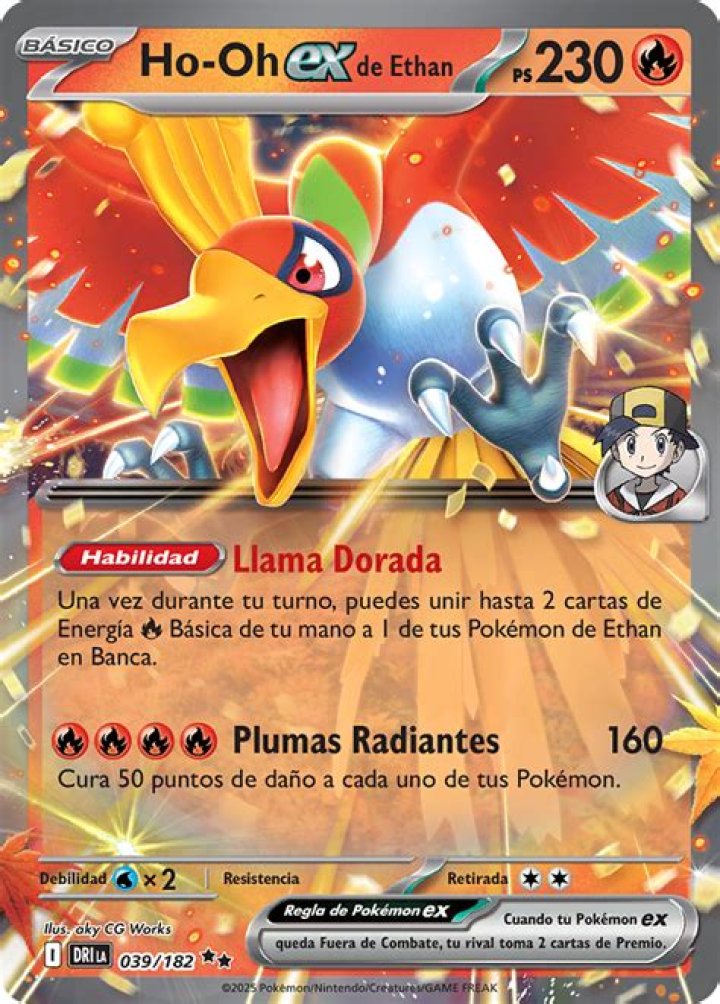
Crown creations encompass a wide range of artistic endeavors that utilize crowns as their central motif. These creations can manifest in various forms, including jewelry, sculptures, paintings, and even performance art.
The significance of crown creations lies in their ability to symbolize power, authority, and achievement. Throughout history, crowns have been associated with royalty, religious figures, and military leaders. In contemporary art, crowns continue to be employed as potent symbols, often imbued with personal or cultural meanings.
The versatility of crown creations allows them to transcend cultural and temporal boundaries. From the elaborate tiaras worn by monarchs to the symbolic crowns depicted in religious iconography, these creations captivate audiences with their beauty, craftsmanship, and profound symbolism.
Crown Creations
Crown creations encompass a diverse range of artistic expressions that revolve around the central motif of crowns. These creations embody cultural, historical, and personal significance, manifesting in various forms and materials.
- Symbolism: Crowns represent power, authority, and achievement, often imbued with cultural and religious meanings.
- Art Forms: Crown creations span a wide range of art forms, including jewelry, sculptures, paintings, and performance art.
- Cultural Significance: Crowns hold deep cultural significance, reflecting the traditions, beliefs, and values of different societies.
- Historical Context: Crowns have played a prominent role throughout history, associated with royalty, religious figures, and military leaders.
- Personal Expression: Contemporary crown creations often serve as a means of personal expression, conveying emotions, experiences, and identities.
- Symbol of Achievement: Crowns are frequently used to symbolize success, triumph, and the completion of a significant milestone.
- Power and Authority: Crowns are emblems of power and authority, representing both temporal and spiritual leadership.
- Religious Symbolism: Crowns appear in religious iconography, representing divine authority, sanctity, and the connection to the divine.
These key aspects intertwine to create a rich tapestry of meaning and significance associated with crown creations. From the majestic crowns worn by monarchs to the symbolic crowns depicted in religious art, these creations captivate audiences with their beauty, craftsmanship, and profound symbolism.
Symbolism
This symbolism is deeply ingrained in crown creations, as crowns have historically been associated with royalty, religious figures, and military leaders. In many cultures, crowns are seen as symbols of temporal and spiritual authority, representing the power and legitimacy of the wearer.
- Power and Authority: Crowns are emblems of power and authority, representing both temporal and spiritual leadership. For example, the British monarch wears the Imperial State Crown during the State Opening of Parliament, symbolizing their authority as head of state.
- Religious Symbolism: Crowns appear in religious iconography, representing divine authority, sanctity, and the connection to the divine. For example, in Christian art, the Virgin Mary is often depicted wearing a crown, symbolizing her role as the Queen of Heaven.
- Cultural Significance: Crowns hold deep cultural significance, reflecting the traditions, beliefs, and values of different societies. For example, in some African cultures, crowns are worn by chiefs and other leaders to symbolize their status and authority within the community.
- Personal Expression: Contemporary crown creations often serve as a means of personal expression, conveying emotions, experiences, and identities. For example, artists may use crowns in their work to explore themes of power, identity, and self-expression.
These facets of symbolism are woven into the very fabric of crown creations, giving them a profound and enduring significance that transcends time and culture.
Art Forms
The diverse range of art forms in which crown creations manifest underscores their versatility and adaptability. From the intricate craftsmanship of jewelry to the monumental scale of sculptures, and from the expressive brushstrokes of paintings to the ephemeral nature of performance art, crowns offer a rich canvas for artistic exploration.
The connection between art forms and crown creations is symbiotic. The unique characteristics of each art form influence the ways in which crowns are represented and imbued with meaning. For instance, the small scale and precious materials of jewelry allow for intricate detailing and a focus on personal adornment. In contrast, the grand scale of sculptures enables the creation of monumental crowns that convey a sense of power and authority. Paintings, with their ability to capture a moment in time, offer a glimpse into the historical and cultural significance of crowns. Performance art, with its emphasis on the ephemeral and experiential, provides a platform for exploring the symbolic and personal dimensions of crowns.
Understanding the connection between art forms and crown creations is crucial for appreciating the full scope and impact of these artistic endeavors. It allows us to recognize the ways in which different art forms contribute to the richness and diversity of crown creations, and how they shape our understanding of crowns as symbols of power, authority, and personal expression.
Cultural Significance
The cultural significance of crowns is deeply intertwined with crown creations, shaping their design, symbolism, and usage. Crowns serve as cultural artifacts, embodying the collective identity, history, and aspirations of a society.
One prominent example is the cultural significance of crowns in traditional African societies. Crowns are often intricately crafted and adorned with symbolic elements, representing the wearer's status, power, and connection to the divine. In Zulu culture, for instance, the beaded crowns worn by Zulu kings symbolize their authority and their role as the guardians of their people.
Understanding the cultural significance of crowns is crucial for appreciating the full extent of their meaning and value. By recognizing the cultural context in which crowns are created and used, we gain a deeper understanding of the societies that produce them and the values they hold dear.
Historical Context
The historical context of crowns is inextricably linked to crown creations, providing a rich tapestry of symbolism and significance. Throughout history, crowns have been associated with royalty, religious figures, and military leaders, serving as potent symbols of power, authority, and divine favor.
Crown creations, in turn, reflect and embody this historical context. By incorporating historical motifs, designs, and materials, crown creations evoke a sense of lineage and tradition. For instance, the Imperial State Crown worn by British monarchs during the State Opening of Parliament is a magnificent example of a crown creation that draws inspiration from historical precedents while embodying the continuity of the British monarchy.
Understanding the historical context of crowns is essential for appreciating the depth and richness of crown creations. It allows us to recognize the ways in which these creations are rooted in the past, carrying with them the weight of history and tradition. This understanding enhances our appreciation for the craftsmanship, symbolism, and cultural significance of crown creations, enabling us to fully grasp their enduring legacy.
Personal Expression
In contemporary art, crown creations have evolved beyond their traditional associations with power and authority to become potent vehicles for personal expression. Artists are increasingly using crowns to convey their emotions, experiences, and identities, creating works that are both introspective and evocative.
- Artistic Expression: Crown creations provide a unique canvas for artists to explore their creativity and express their inner worlds. Through the use of diverse materials, techniques, and styles, artists can imbue crowns with personal symbolism and artistic flair, transforming them into works of self-expression.
- Emotional Expression: Crowns can be powerful tools for expressing emotions. By incorporating elements that evoke joy, sorrow, anger, or love, artists can create crowns that resonate with their own emotional experiences and invite viewers to share in those feelings.
- Identity Exploration: Crowns have become symbols of identity exploration, particularly for marginalized communities seeking to assert their presence and reclaim their narratives. By creating crowns that reflect their cultural heritage, personal experiences, and aspirations, artists can challenge societal norms and empower themselves.
- Collective Expression: Crown creations can also facilitate collective expression, bringing people together to share their stories and celebrate their shared experiences. Through community art projects and collaborative workshops, individuals can create crowns that represent their collective identity and aspirations, fostering a sense of belonging and solidarity.
Contemporary crown creations, as expressions of personal identity and experience, enrich the discourse on crowns and their significance in society. They challenge traditional notions of power and authority, while highlighting the power of art to empower individuals and foster connections.
Symbol of Achievement
Within the realm of crown creations, the symbolism of achievement holds a significant place. Crowns have long been associated with success and triumph, serving as tangible representations of accomplishments and milestones.
- Academic Achievement: Crowns are often employed to symbolize academic success, with laurel wreaths and graduation caps adorned with crown-like designs. These crowns represent the culmination of years of hard work and dedication, honoring the achievements of students and scholars.
- Sporting Victories: In the world of sports, crowns are synonymous with victory and championship. From the iconic laurel crowns of ancient Olympic victors to the elaborate trophies awarded to modern athletes, crowns symbolize the pinnacle of athletic achievement, recognizing the skill and determination of champions.
- Artistic Triumphs: Crowns have also been used to honor artistic achievements. The Palme d'Or, the highest award at the Cannes Film Festival, is a stylized palm frond resembling a crown, symbolizing the triumph of cinematic excellence.
- Personal Milestones: Beyond their public recognition, crowns can also represent personal milestones and achievements. They may be incorporated into birthday celebrations, anniversaries, and other significant life events, marking the passage of time and the completion of personal journeys.
The connection between crowns and achievement is deeply rooted in our collective consciousness. Crowns serve as powerful symbols of recognition, honor, and the successful culmination of endeavors, adding an air of celebration and accomplishment to crown creations.
Power and Authority
The connection between "Power and Authority: Crowns are emblems of power and authority, representing both temporal and spiritual leadership." and "crown creations" is deeply intertwined. Crowns have long been symbols of power and authority, representing the highest levels of leadership and governance. In many cultures, crowns are worn by monarchs, religious figures, and military leaders as a physical manifestation of their authority and legitimacy.
Crown creations, in turn, reflect and embody this connection. By incorporating crowns into their designs, artists and craftspeople create objects that convey a sense of power, authority, and prestige. For instance, the Imperial State Crown worn by British monarchs during the State Opening of Parliament is a magnificent example of a crown creation that symbolizes the power and authority of the British monarchy.
Understanding the connection between "Power and Authority: Crowns are emblems of power and authority, representing both temporal and spiritual leadership." and "crown creations" is important for several reasons. First, it helps us to appreciate the symbolic significance of crowns and the role they play in society. Second, it allows us to better understand the historical and cultural context in which crown creations are made and used. Third, it provides insights into the ways in which power and authority are represented and communicated through art and material culture.
Religious Symbolism
In the realm of crown creations, religious symbolism holds a significant place. Crowns have long been used in religious iconography across cultures and traditions, imbued with profound meanings and associations with the divine.
- Divine Authority: Crowns symbolize divine authority and sovereignty, representing the power and majesty of God or other divine beings. In Christianity, for example, the depiction of God the Father with a crown signifies His supreme authority and dominion over all creation.
- Sanctity and Holiness: Crowns are often used to represent the sanctity and holiness of religious figures. The haloes or nimbuses depicted around the heads of saints and holy figures symbolize their spiritual purity and connection to the divine realm.
- Connection to the Divine: Crowns serve as a representation of the connection between the mortal and divine realms. In some traditions, crowns are seen as a symbol of the soul's ascent to heaven or its union with the divine.
- Triumph and Victory: In religious contexts, crowns can also represent triumph and victory over sin or adversity. The crowns of martyrdom, for instance, symbolize the ultimate triumph of faith and the promise of eternal life.
The connection between religious symbolism and crown creations is evident in various art forms, from paintings and sculptures to elaborate crowns crafted for religious ceremonies. These creations serve as powerful visual representations of the divine, inviting Betrachtern to contemplate the sacred and the transcendent.
Frequently Asked Questions about Crown Creations
This section addresses common questions and misconceptions surrounding crown creations, providing clear and informative answers to enhance understanding.
Question 1: What is the significance of crowns in crown creations?
Crowns, as central motifs in crown creations, embody a range of symbolic meanings. They represent power, authority, achievement, and religious devotion. Throughout history and across cultures, crowns have been associated with royalty, religious figures, and military leaders, signifying their status and authority.
Question 2: What materials are commonly used in crown creations?
Crown creations employ a diverse range of materials, including precious metals such as gold, silver, and platinum. Other materials include gemstones, pearls, enamel, and even organic materials like feathers and flowers. The choice of materials reflects the cultural context, symbolism, and artistic vision behind each creation.
Question 3: How do crown creations differ from traditional crowns?
While traditional crowns serve as symbols of power and authority, crown creations encompass a broader range of artistic expressions that utilize crowns as their central motif. These creations can take various forms, including jewelry, sculptures, paintings, and performance art, allowing artists to explore diverse themes and concepts.
Question 4: What is the historical significance of crown creations?
Crown creations have a rich historical lineage, dating back to ancient civilizations. They have played a significant role in religious ceremonies, royal coronations, and cultural celebrations. By studying crown creations from different eras, we gain insights into the artistic styles, cultural beliefs, and societal structures of past civilizations.
Question 5: How can I identify the symbolism behind crown creations?
Understanding the symbolism of crown creations requires an examination of their cultural context, historical significance, and artistic elements. By considering the materials used, the design motifs, and the intended purpose, we can uncover the deeper meanings and messages conveyed through these creations.
Question 6: What is the value of crown creations in contemporary art?
In contemporary art, crown creations continue to be a source of inspiration and experimentation. Artists utilize crowns to explore themes of identity, power dynamics, and cultural heritage. Crown creations challenge traditional notions of authority and encourage Betrachtern to engage with complex social and political issues.
These FAQs provide a concise overview of crown creations, addressing common questions and highlighting their significance, materials, history, symbolism, and contemporary relevance.
Feel free to ask follow-up questions to delve deeper into the fascinating world of crown creations.
Crown Creation Tips
Crown creations encompass a wide range of artistic endeavors centered around the motif of crowns. Embodying cultural, historical, and personal significance, crown creations manifest in diverse forms and materials.
Tip 1: Consider the Symbolic Meaning
Crowns historically represent power, authority, and achievement. When incorporating crowns into your creations, consider the symbolic meaning you wish to convey and how it aligns with the overall message or theme.
Tip 2: Explore Diverse Materials
Crown creations are not limited to traditional materials such as gold and jewels. Experiment with unconventional materials like fabric, paper, or found objects to create unique and captivating pieces.
Tip 3: Draw Inspiration from History
Study historical crowns and their significance within different cultures. This research can provide valuable insights and inspiration for your own crown creations.
Tip 4: Experiment with Scale and Form
Crowns can be miniature or monumental, abstract or realistic. Don't limit yourself to traditional crown shapes; explore different proportions and forms to create visually striking pieces.
Tip 5: Infuse Personal Meaning
Crown creations offer an opportunity for personal expression. Imbue your creations with your own experiences, emotions, or cultural heritage to create meaningful and evocative artworks.
Tip 6: Collaborate with Others
Consider collaborating with other artists or craftspeople to bring your crown creations to life. Interdisciplinary collaborations can lead to innovative and unexpected outcomes.
Tip 7: embrace experimentation
Don't be afraid to experiment with unconventional techniques and materials. The unique nature of crown creations encourages pushing boundaries and exploring new possibilities.
Tip 8: Seek Feedback and Refine
Once you have created your crown creation, seek feedback from trusted sources. Constructive criticism can help you refine your work and elevate it to the next level.
By following these tips, you can create crown creations that are visually stunning, conceptually rich, and deeply personal. May your journey into the world of crown creations be filled with inspiration and artistic fulfillment.
Conclusion
This exploration of crown creations has illuminated their multifaceted nature, spanning diverse art forms, cultural contexts, and symbolic meanings. Crowns have served as potent symbols of power, authority, and achievement throughout history. In contemporary art, crown creations have evolved into expressions of personal identity, cultural heritage, and social commentary.
The enduring legacy of crown creations lies in their ability to transcend time and culture, capturing the human fascination with power, glory, and the divine. As we move forward, crown creations will undoubtedly continue to inspire artists, captivate audiences, and enrich our understanding of human creativity and cultural expression.
Ali Duvaras: Unlocking The Secrets Of React Native Mastery
Unveiling The Treasures Of Open Space Venues: Discoveries And Insights For Your Next Event
Unlock The Secrets: Discover The Ultimate Guide To " " For Enhanced Safety